


Case study
Choosing Digital Signage Display Software
A menu board that goes blank during lunch service, a reception screen showing last month’s message, or a retail promotion stuck on the wrong offer all point to the same issue: digital signage display software matters just as much as the screen itself. For UK businesses investing in commercial displays, the software layer is what turns a panel on the wall into a managed communication tool.
The mistake many buyers make is treating software as an afterthought. They compare brightness, screen size and mounting options, then assume any content platform will do the job. In practice, software determines how easily your team can publish updates, manage multiple sites, schedule content, control users and keep displays running without constant intervention.
What digital signage display software actually does
At a basic level, digital signage display software gives you a central way to upload content, assign it to one or more screens and schedule when it appears. That sounds straightforward, but commercial deployments quickly become more complex. A single site may need different playlists by daypart, branch-specific messaging, emergency notices, live dashboards or touch-enabled content.
Good software keeps that complexity manageable. It should let an operations team update every store in minutes, while still allowing local managers controlled access where needed. It should support images, video, HTML content, menu layouts and branded templates without turning every change into an IT task.
For larger estates, the software also becomes an operational control point. Device status, proof of play, remote reboot options and user permissions are not extras. They are often the difference between a signage network that scales cleanly and one that becomes expensive to maintain.
Digital signage display software for different environments
The right platform depends heavily on where the screens are being used. Retail, hospitality, education and corporate settings all have different priorities, even if the hardware looks similar.
In retail, speed and consistency usually matter most. Campaign changes need to go live on time across multiple branches, and screens often sit in customer-facing areas where downtime is visible straight away. Software in this setting needs strong scheduling, straightforward media management and dependable remote control.
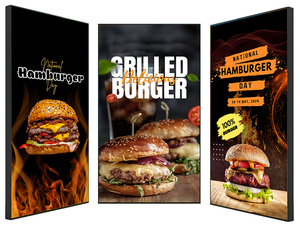
In hospitality, menu changes, promotions and event messaging tend to be more fluid. Teams may need to update breakfast, lunch and evening content in a single day. Here, usability becomes critical. If software is too technical, staff will work around it rather than use it properly.
In schools, colleges and universities, access control matters more. Different departments may need permission to post content while central IT retains platform oversight. Content moderation, network security and compatibility with existing infrastructure often carry more weight than advanced promotional features.
In corporate environments, digital signage often overlaps with internal communications, meeting room displays and KPI dashboards. Buyers may need software that can present live data, support multiple screen orientations and work cleanly with commercial AV systems already in place.
The features worth checking before you buy
Most software platforms will claim broad functionality. The real question is whether the features fit your deployment rather than looking good on a comparison sheet.
Start with content scheduling. You should be able to schedule by time, date, day of week and screen group without building workarounds. For a restaurant chain, that could mean breakfast content until 11am, lunch menus until 5pm and evening promotions after that. For a retailer, it may mean region-specific promotions and timed campaign launches.
Template management is also important. If every update requires a designer, costs rise quickly and local teams lose agility. A better setup allows approved templates so users can swap pricing, text or images while keeping brand standards intact.
Screen grouping matters more than many buyers expect. Managing one display is simple. Managing fifty screens across different branches, departments or formats is not. Software should let you organise devices logically and apply content rules in batches.
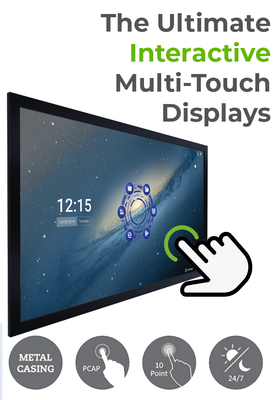
Then there is media support. Video and static images are standard, but not every platform handles HTML, live feeds, interactive content or split-screen layouts equally well. If your roadmap includes touch kiosks, dashboards or external data sources, check compatibility early rather than assuming it can be added later.
Finally, look at monitoring and support tools. A commercial signage network should not rely on someone noticing a black screen in person. Remote health checks, device alerts and user activity logs save time and reduce service disruption.
Cloud-based or on-premise - what suits your business?
For most businesses, cloud-based digital signage display software is the practical choice. It allows authorised users to manage content remotely, supports multi-site rollouts more easily and reduces the burden on internal infrastructure. This is especially useful for retail groups, hospitality brands and estate-wide deployments where central control is essential.
That said, cloud is not always the automatic answer. Some organisations with stricter IT policies, limited connectivity or internal hosting requirements may prefer an on-premise approach. Education, public sector and secure corporate environments can fall into this category.
The trade-off is straightforward. Cloud platforms tend to be easier to scale and simpler to access. On-premise setups can provide greater internal control, but usually require more technical management. The best choice depends on your governance requirements, internal support capacity and rollout ambitions.
Why software and hardware compatibility matters
Software cannot be assessed in isolation. It has to work reliably with the commercial display, media player and network environment you are deploying. A platform may look capable, but if it performs poorly on the chosen hardware or lacks support for the screen orientation, resolution or touch function you need, the project starts badly.
This is why commercial buyers should think in terms of the full signage stack. Screen specification, player performance, mounting position, connectivity and software all influence the end result. High-brightness storefront displays, video walls, interactive kiosks and standard indoor panels place different demands on the system.
For example, a simple reception display may run well on an integrated system with light scheduling needs. A multi-zone menu board network with frequent updates and video content may need a more capable player and tighter CMS control. Outdoor digital signage adds another layer, as reliability and remote management become even more important when physical access is less convenient.
Common buying mistakes
One of the most common mistakes is buying software based only on price. Low licence costs can look attractive at procurement stage, but the cheaper option often creates higher labour costs later if it is awkward to use or lacks remote support tools.
Another is underestimating user roles. Businesses often assume one admin account is enough, then discover they need marketing access, local site permissions, IT oversight and approval controls. If the software cannot support that structure, teams either lose control or lose efficiency.
A third mistake is failing to plan for growth. A buyer may start with three screens and expect that to remain static, but successful signage projects often expand. Once one site sees results, more locations follow. Software should be able to support that scale without forcing a complete platform change.
There is also the issue of content workflow. Even strong software will disappoint if no one has considered who creates content, who approves it and how updates are requested. Software should support your operating model, not complicate it.
What a good buying process looks like
Start with the use case rather than the feature list. Ask what each screen is meant to achieve, who needs to update it and how often content will change. A reception welcome screen, a chain-wide menu board rollout and an interactive museum display should not be assessed in the same way.
Then review the practical environment. Consider network access, mounting locations, operating hours and whether the display will run standard playlists, live content or touch applications. This is where many software decisions become clearer.
It is also worth checking how the provider supports the wider project. Commercial signage works best when software, hardware, installation and aftercare are treated as one solution. A specialist supplier can usually spot compatibility issues early and advise on the right player, screen type and CMS structure before those issues become expensive.
For businesses rolling out across multiple sites, pilot testing is a sensible step. A small live deployment quickly reveals whether the platform is intuitive for your team and stable in your environment. That matters more than a polished demo.
Screen Moove supports buyers who need that joined-up approach, especially where software selection sits alongside hardware sourcing, installation planning and ongoing technical support. For many organisations, that reduces risk more effectively than buying screens and software separately and hoping they behave as one system.
The real value of the right platform
When digital signage display software is chosen well, day-to-day management gets easier, campaigns go live on schedule and screens remain useful rather than becoming another neglected device on the wall. That value is commercial as much as technical. Better control means faster updates, fewer site visits, stronger brand consistency and less downtime.
The right software is not necessarily the one with the longest feature list. It is the one that fits your estate, your team and your content demands without adding friction. If you are planning a new signage rollout or reviewing an existing one, it is worth spending as much time on the software decision as you do on the screen itself - because that is the part your team will live with every day.