



A meeting room used to need little more than a screen, a conference phone and somewhere to plug in a laptop. In 2026, expectations are very different.
Corporate teams increasingly expect rooms that recognise scheduled meetings, launch calls with one tap and give remote participants the same opportunity to see and hear what is happening as the people sitting around the table.
That means the display, camera, microphones, speakers, control system and booking technology all need to work together. ScreenMoove's meeting room display and conference room solutions are designed around the room itself rather than simply adding isolated pieces of hardware.
Why Meeting Room Technology Looks Different in 2026
Hybrid working has changed the purpose of the meeting room. The room itself is increasingly treated as a shared collaboration device rather than simply a physical place where employees happen to gather.
Remote attendees need to hear every person around the table clearly, follow the conversation naturally and view shared content without being treated as secondary participants.
Scheduled meetings should be available from a room controller without searching for links or joining codes.
Cameras and microphones need to capture the whole room rather than only whoever is sitting nearest the screen.
Permanent room systems reduce the reliance on dongles, adapters and employees configuring hardware before every meeting.
The Core Components of a Modern Meeting Room
The exact specification changes with room size, but most modern corporate meeting room AV systems are built from the same core technology layers.

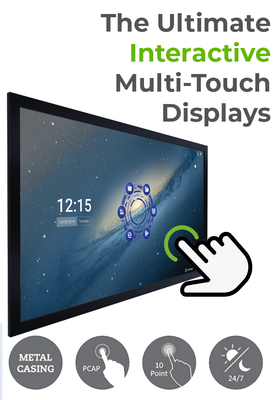
The display needs to be large enough for text, shared documents and remote participants to remain clearly visible from the furthest seat. Larger boardrooms may benefit from dual displays while smaller rooms usually need only one. Interactive displays built for conference rooms can also combine presentation and touchscreen collaboration.
Compact video bars can handle smaller rooms, while large boardrooms may require dedicated PTZ cameras, ceiling microphones and distributed speakers to achieve consistent coverage.
A room appliance, mini PC or dedicated conferencing system runs Microsoft Teams Rooms, Zoom Rooms, Google Meet or Webex while a tabletop controller gives users a simple interface for joining and managing calls.
External calendar-synced room booking panels show availability at the door and help reduce double bookings and unused rooms.
Choosing the Right Meeting Platform for Your Office
Hardware should normally follow your collaboration platform rather than the other way around. Start by identifying which service your organisation already uses most heavily and how often external guests need to connect.

Microsoft Teams Rooms
A strong option for businesses already operating inside Microsoft 365. Native room systems give users direct access to scheduled Teams meetings and simplify the joining experience.
Explore Microsoft Teams Rooms for Microsoft 365 offices →Zoom Rooms
Zoom Rooms are suited to organisations already standardised on Zoom. Dedicated controllers and room hardware provide an appliance-style experience with one-tap joining rather than relying on an employee laptop.
View native Zoom Rooms hardware →
Google Meet Rooms
Google Meet Rooms are a natural fit for organisations working primarily through Google Workspace, providing a dedicated room experience integrated with Google Calendar and Meet.
Explore Google Meet Rooms for Workspace teams →Cisco Webex Rooms
Webex remains particularly relevant in enterprise environments where Cisco collaboration tools are already part of the wider communications infrastructure.
Explore Cisco Webex Rooms with one-touch join →
BYOM: Bring Your Own Meeting
BYOM keeps the room platform-agnostic. Users connect their own laptop and use the room's professional camera, microphones, speakers and display with whichever conferencing platform they need.
Explore BYOM meeting room solutions →Meeting Room Platform Comparison
There is no universal winner. The right platform normally depends on your existing software environment and how flexible the room needs to be.
| Platform | Best For | Room Approach |
|---|---|---|
| Microsoft Teams Rooms | Microsoft 365 organisations | Native dedicated room |
| Zoom Rooms | Zoom-led organisations | Native dedicated room |
| Google Meet Rooms | Google Workspace teams | Native dedicated room |
| Cisco Webex Rooms | Enterprise Cisco environments | Enterprise room platform |
| BYOM | Mixed platforms and guest-heavy rooms | Laptop-led flexible room |
Sizing the Room Correctly: Huddle Room to Boardroom
One of the most common AV mistakes is standardising on identical hardware for every room. Standardisation is useful, but the equipment still needs to match room capacity, table length, viewing distance and acoustics.

Focus & Huddle Rooms | 1–4 People
A compact all-in-one video bar and single commercial display will often provide everything needed. Keeping the room simple makes it easier for employees to walk in and start a call quickly.

Small to Medium Meeting Rooms | 4–8 People
A larger display combined with a wide-angle camera or video bar normally works well. Microphone pickup becomes increasingly important as table length grows, so audio coverage should be checked rather than assumed.

Large Meeting Rooms & Boardrooms | 8+ People
Larger spaces may require a dedicated PTZ camera, ceiling microphone arrays, separate speakers and dual displays. The room layout, table shape and seating positions should influence the final specification.
What Corporate Teams Get Wrong About Meeting Room AV
A four-person huddle room should not be designed like a twenty-person boardroom. Camera coverage, screen size and microphone requirements change significantly.
Decide whether the room will run Teams, Zoom, Meet, Webex or BYOM before committing to the central conferencing hardware.
A sophisticated meeting room is still frustrating if employees cannot tell whether it is free or repeatedly encounter double bookings.
Cable routes, mounting positions, power, network access, acoustics and camera sightlines all need to be considered before the equipment arrives.
Planning a Multi-Room or Multi-Site Rollout
Once an organisation is fitting several rooms, consistency becomes increasingly important. A useful approach is to create repeatable standards for each room type: one specification for huddle spaces, one for medium meeting rooms and another for larger boardrooms.
This gives employees a familiar experience from room to room and makes ongoing support easier for internal IT teams. It also simplifies future expansion because the same proven room design can be replicated at another office.
Displays, cameras, room controllers, mounts and cabling should be specified as one project rather than purchased independently and handed to an installer afterwards. ScreenMoove provides UK-wide AV installation services for corporate technology projects.
For projects involving one room or an entire estate, explore ScreenMoove's complete meeting room AV solutions covering display selection, conferencing hardware, installation and room configuration.
ScreenMoove can help specify the display, camera, microphones, conferencing platform and room control system around the size and purpose of your space.
From individual huddle rooms to boardrooms and multi-site corporate rollouts, our team can help design and install a meeting room system that employees can actually use.


