


BYOM: Bring Your Own Meeting - One Room, Every Platform, Any Laptop
Stop losing the first five minutes of every meeting to the wrong cable, the wrong app or a room system that only works for one platform. ScreenMoove designs and installs BYOM meeting rooms that let employees, clients and visitors connect their own laptop and run the call through Zoom, Teams, Webex or Google Meet.
We build BYOM into the room itself using professional conferencing bars, displays, camera and audio hardware, so the laptop joins the call and the room does the rest.

What is BYOM?
BYOM stands for Bring Your Own Meeting. In a meeting room context, it means the room is built so any employee, supplier, consultant or visitor can walk in, connect their own laptop and run the meeting from the platform they already use.
Instead of forcing every meeting through one fixed room platform, a BYOM setup lets the laptop control the call while the room provides the professional display, camera, speakers and microphones. That means users can join Zoom, Microsoft Teams, Webex, Google Meet or browser-based meetings without needing a separate room login.
This is different from a native Microsoft Teams Room or Zoom Room. Those systems are excellent when your business is standardised on one platform. BYOM is stronger when your meeting spaces regularly host clients, agencies, suppliers or mixed-platform teams.
- Connect a laptop and use the room camera, speaker and microphone
- Run meetings on Zoom, Teams, Webex, Google Meet or other platforms
- Reduce compatibility issues for visitors and client-facing teams
- Upgrade existing meeting rooms without locking every call to one ecosystem

BYOM makes hybrid meetings feel simple again.
Modern meeting rooms are used by employees, visitors, consultants, clients and hybrid teams. Not everyone has the same laptop, the same login or the same video platform. BYOM gives the room a flexible standard, so the meeting starts faster and the experience feels more professional.
It is especially useful when a business hosts external meetings on different platforms throughout the week. A client may send a Zoom invite, a supplier may use Microsoft Teams, a consultant may prefer Google Meet and an agency may join through Webex. A properly specified BYOM or BYOD meeting room removes the awkward handover between devices, adapters and guest accounts by giving every user a clear way to connect their own laptop and start the call.
For facilities and IT teams, BYOM also creates a more consistent room standard. Instead of every space having a different cable, webcam or speakerphone, the room is planned around meeting room screen sharing, laptop-led video calls and reliable room audio from the start.
No more platform lock-in
Run the meeting from the laptop and platform your guest already uses, whether that is Teams, Zoom, Webex or Google Meet.
Better visitor experience
Clients and consultants do not need to log into your room system or download new software before they can join the call.
Fewer cable problems
A planned BYOM room gives users a clear connection route instead of a drawer full of adapters, dongles and missing HDMI leads.
Cleaner meeting rooms
Professional AV hardware, concealed cabling and room-ready conferencing make the space feel polished and easy to use.

The laptop runs the meeting. The room handles the experience.
A BYOM room usually combines three simple parts: a display at the front of the room, a conferencing bar or camera and audio setup, and a laptop connection point at the table. The user connects their laptop, opens the meeting invite and selects the room camera, speaker and microphone.
That means the meeting stays on the user's device, while everyone in the room benefits from a professional display, better audio pickup and a properly positioned camera. For many businesses, this is the easiest route to flexible hybrid meeting rooms because it works across different platforms and guest devices.
Depending on the room, BYOM can be built around a wired USB-C connection, a wireless HDMI meeting room setup or a wireless presentation system for easier laptop screen sharing. The right route depends on your users, security requirements, room size and whether the space is mainly used by internal staff or external visitors.
- USB-C, HDMI or wireless sharing routes depending on the room
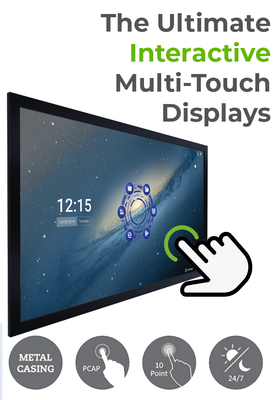
- Front-of-room display or interactive display for shared content
- Camera, microphone and speaker hardware picked up by the laptop
- No complicated room login for visitors or mixed-platform calls
Conferencing bars, cameras, audio and display hardware for BYOM rooms.
The most important part of a BYOM room is the connection between the user's laptop and the room's professional camera, audio and display setup. ScreenMoove can help specify the right hardware for huddle spaces, boardrooms, client suites, coworking spaces and training rooms.
USB conferencing bars
All-in-one USB conferencing bars combine camera, speaker and microphone hardware in one clean unit. They are one of the most common ways to make BYOM rooms simple and reliable.
Video conferencing equipment
For larger or more complex rooms, you may need separate cameras, microphones, speakerphones or control hardware rather than one all-in-one bar.
Yealink and Poly hardware
ScreenMoove supplies professional meeting room hardware from brands including Yealink and Poly, with support for meeting room specification and installation.
Barco ClickShare and other wireless presentation systems are often discussed in the BYOM category, offering an alternative to wired USB-C connection for laptop screen sharing.
Video conferencing bars for BYOM meeting rooms.
Browse professional video conferencing bars and meeting room kits for BYOM spaces, laptop-led video calls, room audio, camera pickup and hybrid collaboration.
 Yealink MeetingBar A50 AI-powered all-in-one video conferencing bar View product →
  Yealink MeetingBar A10-020 4K AI Android Teams Zoom conference system View product →
  Yealink UVC40 E2 All-in-one intelligent USB video bar View product →
  AVer VB350 Dual Lens PTZ Video Bar Hybrid 18X zoom for medium and large rooms View product →
  Poly Studio X30 All-in-one video bar | 83Z45AA View product →
  Poly Studio V72 USB Video Bar USB video bar | AV1E3AA#AC3 View product →
  Bose Professional Videobar VB1 Video conferencing system | 842415-2110 View product →
  Logitech Rally Bar + Tap IP Kit Medium and large room video conferencing kit View product →
Wireless sharing, BYOD extenders and meeting room connection accessories.
Browse ClickShare systems, sharing boxes, conferencing buttons, wireless dongles and BYOD accessories for faster laptop connection, content sharing and flexible meeting room setups.
 Barco ClickShare C-10 2nd Generation With 2 ButtonsFor any meeting spaceView product →
  Blustream 4K HDMI Wireless DongleWireless HDMI presentation and screen sharingView product →
  Barco ClickShare C-10 2nd GenerationFor any meeting spaceView product →
  Yealink VCH51 Sharing BoxHub for connecting multiple conferencing peripheralsView product →
  Barco ClickShare Conferencing ButtonFor the ClickShare CX rangeView product →
  Yealink MVC-BYOD ExtenderBring UC anywhere for BYOD meetingsView product →
  Barco ClickShare C-5 2nd GenerationFor huddle spacesView product →
  Yealink VCH51 4K Wired Data SharingBYOD option for Yealink A20 and A30 barsView product →
  Vivolink Lightning Adapter On a RingPROADRING6R meeting room adapter setView product →
  Yealink WF50 Dual Band Wi-Fi USB DongleWireless connectivity for compatible Yealink hardwareView product →
Which setup does your business need?
BYOM and Microsoft Teams Rooms solve slightly different problems. Teams Rooms are ideal when your business runs most meetings inside Microsoft Teams and wants a dedicated native room experience. BYOM is better when your meeting rooms need to host different platforms and guest laptops throughout the week.
| Buying factor | BYOM | Microsoft Teams Rooms | ScreenMoove advice |
|---|---|---|---|
| Best fit | Mixed-platform meetings, guest laptops, client calls and flexible office spaces. | Businesses standardised on Microsoft Teams that want a native one-touch room setup. | Choose BYOM for flexibility, or Teams Rooms when Teams is the fixed company standard. |
| User experience | The user connects their laptop and runs the meeting from their own invite. | The room system joins the Teams meeting directly from the room calendar. | Think about who uses the room most: internal staff or external visitors. |
| Platform support | Works well across Zoom, Teams, Webex, Google Meet and browser-based calls. | Designed primarily around Microsoft Teams-certified room workflows. | Mixed-platform businesses often benefit from BYOM or hybrid-ready hardware. |
Flexible meeting rooms for offices, coworking, education and client-facing teams.
BYOM works best in spaces where the meeting owner changes often. A boardroom may host directors in the morning, a supplier presentation at lunch and an external client call in the afternoon. A coworking meeting room may be used by completely different companies each hour. In those environments, a fixed platform can slow people down, while a BYOM setup gives every user the same simple route: bring the laptop, connect to the room and start the meeting.
It is also a strong fit for businesses that want a cleaner, more professional standard without rebuilding every room as a fully native Teams Room. ScreenMoove can help decide which spaces need BYOM, which need platform-locked room systems and which would benefit from both.
BYOM handles the call. A booking panel handles the room.
A BYOM room solves what happens inside the room: connecting a laptop, joining the call and using the room's AV hardware. A room booking panel solves the question outside the room: is it free, booked or available later?
For offices upgrading multiple meeting rooms, the two are often specified together. ScreenMoove can support room scheduling displays, meeting room AV, conferencing bars, installation and wider workplace display projects from one supplier.

One supplier for BYOM hardware, installation and support.
BYOM works best when the hardware, cabling, display, camera angle and room layout are planned together. ScreenMoove helps UK businesses build meeting rooms that feel simple for users and polished for visitors.
Multi-brand advice
We are not tied to one manufacturer, which matters for BYOM because flexibility is the whole point.
Room specification
We help match conferencing bars, displays, cameras and audio to the size and use of each room.
Clean installation
Our installation services support mounting, cable routes, positioning and setup.
Complete meeting rooms
Support for BYOM, Microsoft Teams Rooms, booking panels, commercial displays and wider workplace AV.
BYOM meeting room FAQs.
What does BYOM mean in a meeting room context?
BYOM means Bring Your Own Meeting. In a meeting room, it describes a setup where users connect their own laptop to the room display, camera, speaker and microphone, then join the call through their preferred meeting platform.
Do I need special software for a BYOM room?
No special room software is usually needed for the user. The person connects their laptop, opens their normal meeting app and selects the room camera, speaker and microphone.
Can BYOM rooms still run Microsoft Teams natively?
Some rooms can be designed to support both BYOM-style laptop connection and native Microsoft Teams Rooms workflows, depending on the hardware chosen. If you want a dedicated Teams experience, view our Microsoft Teams Rooms systems.
What is the difference between BYOM and BYOD?
BYOD usually means Bring Your Own Device, while BYOM means Bring Your Own Meeting. In practice, BYOM focuses specifically on joining a meeting from your own laptop while using the room's professional AV hardware.
Do you install BYOM systems nationwide?
Yes. ScreenMoove supports UK-wide BYOM meeting room projects, including hardware supply, display installation, conferencing bar setup, cable management and meeting room AV advice.
How much does a BYOM room setup cost?
BYOM room setup costs depend on the room size, display, conferencing bar, camera and audio requirements, cabling route and installation complexity. ScreenMoove can quote for a single room or multi-room rollout.
Need a BYOM meeting room setup?
Speak to ScreenMoove about BYOM meeting room hardware, USB conferencing bars, video conferencing equipment, display installation and room-ready AV for Zoom, Teams, Webex and Google Meet.
- BYOM setups for offices, coworking, boardrooms and client suites
- USB conferencing bars, cameras, microphones and speaker hardware
- Commercial displays, interactive displays and meeting room screens
- Installation, mounting, cabling and setup support across the UK
Request a BYOM Room Quote
Tell us how many rooms you need to upgrade and our team will recommend the right conferencing bar, display and installation route.


