


Digital signage can be one of the most effective communication tools in a physical space - but only when the content is planned with purpose. From retail promotions and restaurant menu boards to reception displays, corporate screens and waiting room messaging, the right strategy helps every screen work harder.
In this guide, we break down how to build a digital signage content strategy that is clear, engaging and practical to manage, while linking content decisions back to real business goals.
Many businesses invest in high-quality displays and content management systems, but then treat content as an afterthought. They upload a few slides, leave them running for months and expect the screens to keep performing. In reality, a screen is only as effective as the content it shows. A clear strategy gives structure to what appears on screen, why it appears, when it changes and how it supports the wider customer journey.
An effective digital signage content strategy starts with understanding that not all screens serve the same purpose. A shop window display needs to grab attention in seconds. A reception screen may need to welcome visitors and reinforce branding. A waiting area display may need to reduce perceived waiting time with useful information. Each screen location should influence the content approach, messaging hierarchy and creative style.
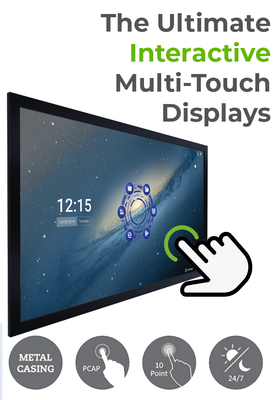
For many businesses, the starting point is choosing the right digital signage displays for each environment. Once the hardware is in place, the real opportunity comes from building content that is relevant, easy to understand and aligned with your business goals.
Start with a Clear Objective for Each Screen
Before designing anything, define what success looks like. The purpose of your content should shape every decision that follows. Some businesses want to drive more sales, others want to reduce perceived waiting time, improve navigation, promote new services or present their brand in a more polished way.
Common objectives include increasing awareness of key products, boosting upsells, promoting limited-time offers, improving customer flow and strengthening brand consistency across multiple locations. If you know the objective, you can build content that moves viewers towards a specific action rather than simply filling screen time.
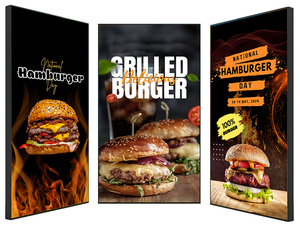
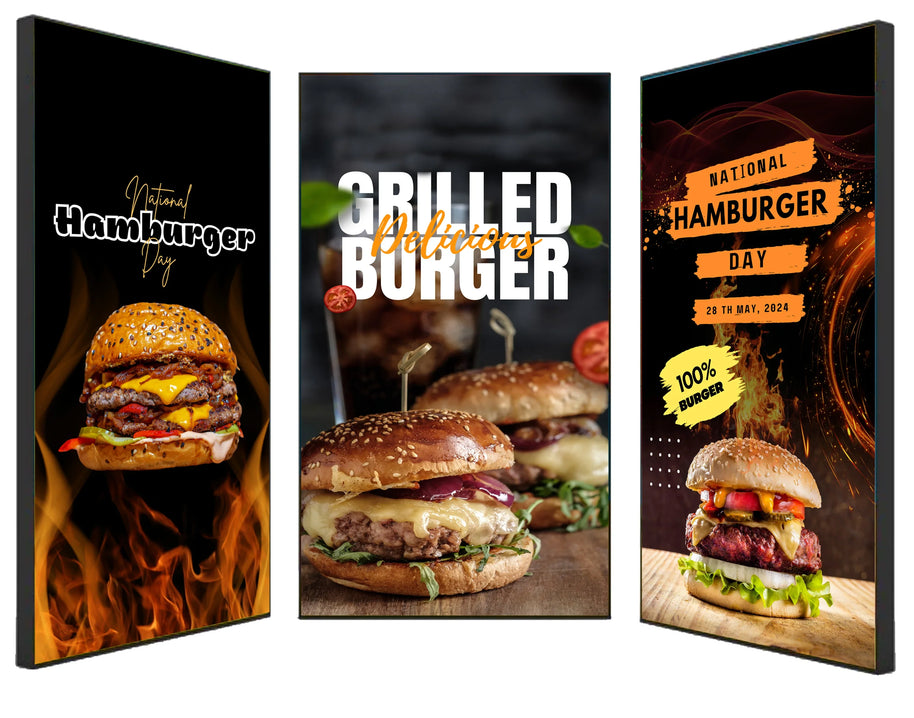
In hospitality settings, for example, content often needs to support quick ordering and easy decision-making. This is why well-designed digital menu boards are such an effective format for cafés, restaurants, food halls and takeaway spaces.


Understand the Viewing Environment
The best digital signage content strategies are built around real-world conditions. Think about where the screen sits, how far away people are from it and how long they are likely to look. A busy café or takeaway environment requires large text, clean hierarchy and fast readability. In contrast, a waiting room, hotel lobby or corporate reception may allow for slightly more detail and storytelling.
Brightness, glare, footfall, dwell time and screen orientation all affect design choices. Portrait screens often suit menus, directories and social-style layouts. Landscape screens are often better for wider promotions, product messaging and presentation-led content. Designing without considering the physical setting usually leads to cluttered or ineffective results.
In bright shopfronts and window-facing installations, high brightness digital signage displays are particularly important because they keep content readable even in strong daylight conditions.
Types of Digital Signage Content You Can Use
A strong content strategy uses a balanced mix of messaging rather than pushing the same type of promotion all day. This helps screens stay useful, visually fresh and commercially effective.
- Promotional content - featured products, limited-time offers, bundles or seasonal campaigns.
- Informational content - menus, pricing, opening hours, instructions, wayfinding or service details.
- Brand content - values, visuals, storytelling and content that reinforces your identity.
- Trust-building content - reviews, testimonials, client logos or accreditations.
- Action-driven content - QR codes, website prompts, book-now messaging or enquiry CTAs.
- Live or dynamic content - social feeds, live updates, event schedules or time-sensitive messaging.
When these elements are combined thoughtfully, the screen supports more stages of the customer journey rather than focusing only on the final sale.
Need professionally designed screen content?
ScreenMoove can help you create polished, brand-aligned designs for menus, promotions and commercial display campaigns.
View Digital Menu Design ServicesKeep Messaging Clear and Easy to Scan
Digital signage is not a brochure. Most people will only glance at a screen, so content should be built for quick understanding. That usually means one key message per slide, short headlines, limited body copy and strong visual contrast. If viewers have to work to understand the message, the content is too complex.
Good signage content uses hierarchy well. Lead with the most important message, support it with a concise subheading and use imagery that strengthens the point rather than distracting from it. Fonts should be easy to read at a distance, and spacing should feel open rather than crowded.
Digital Signage Content Strategy Examples by Industry
Retail
Retail screens often work best when they combine promotional content, product highlights and seasonal campaigns. Shop window displays need instant impact, while in-store screens can support upselling, navigation and brand storytelling.
Restaurants and Hospitality
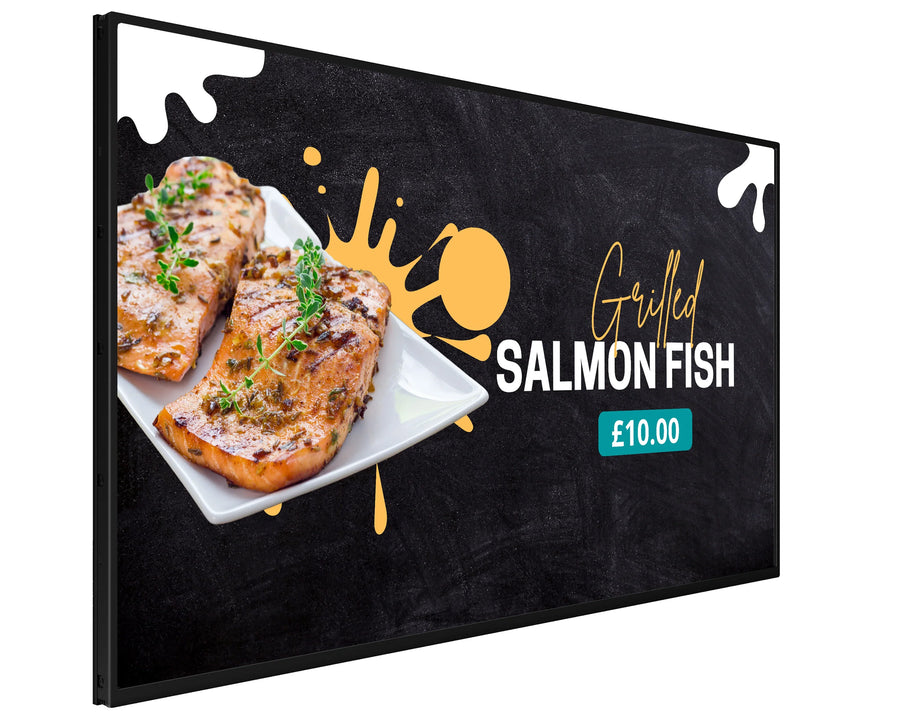
Hospitality content needs to support quick decision-making. Menu boards, featured items, combos, upsells and dayparting all play a role in improving customer flow and increasing average order value.
Healthcare
Healthcare waiting room signage can share appointment information, health awareness campaigns, service updates and helpful reassurance, helping make the environment feel more informative and organised.
Education
Education screens can support internal communications, event promotion, wayfinding, safeguarding messages and campus updates across schools, colleges and universities.
Corporate and Reception Spaces
Corporate signage often focuses on welcome messaging, internal communications, visitor information, achievements, live dashboards and brand presence in professional environments.
Petrol Stations and Forecourts
Forecourt screens may need to promote offers, food-to-go, car wash services and fuel-related messaging in fast-moving environments where readability and strong hierarchy matter.
Use Templates to Stay Consistent
If you manage multiple screens, campaigns or locations, templates can make your content strategy far easier to maintain. Instead of designing from scratch every time, create a consistent structure for key content types such as promotional slides, product highlights, menu boards and brand messages.
Templates help keep branding aligned, save time and reduce the risk of inconsistent formatting. They also make it easier for teams to update pricing, imagery or text while keeping the overall look professional. For businesses with regular seasonal updates, templates are one of the easiest ways to scale content production without losing quality.
How to Build a Monthly Digital Signage Content Calendar
Content strategy is not just about design. It is also about timing. The strongest signage content is updated based on relevance. That might mean swapping breakfast and lunch menus at set times, running weekday and weekend promotions, pushing seasonal products or highlighting different services during different times of day.
A simple content calendar can help you map out:
- monthly promotions and launches
- seasonal campaigns and holidays
- dayparted content changes
- evergreen brand and informational content
- event-led or location-specific updates
If your business has a street-facing site, forecourt, drive-thru or external entrance, it can also make sense to extend your strategy to outdoor digital signage displays so your messaging reaches customers before they even walk through the door.


Use Motion Carefully
Motion can help attract attention, but it should support readability rather than compete with it. Subtle transitions, animated highlights and short video loops can add energy to a screen, especially in retail and advertising environments. However, too much movement can make content harder to follow and reduce the impact of the main message.
A strong rule is to use motion with intention. Guide the eye, add emphasis and create a more premium visual feel, but avoid effects that feel distracting or dated. Clean, minimal animation often performs better than highly elaborate transitions.
Common Digital Signage Content Mistakes
- Too much text - viewers do not have time to read paragraphs on screen.
- No clear CTA - every screen should guide attention somewhere.
- Outdated messaging - expired promotions reduce trust quickly.
- Ignoring viewing distance - small text can make content unusable.
- Too much motion - distracting effects weaken readability.
- Using the same slides for months - repetition causes screens to fade into the background.
Design with Brand Experience in Mind
Your digital signage should feel like an extension of your brand, not a disconnected add-on. Colours, fonts, imagery style and tone of voice should align with your wider website, printed material and social presence. This consistency helps create a more polished customer experience and builds trust more quickly.
For hospitality venues, that might mean using appetising imagery, warm tones and a layout that supports quick decision-making. For corporate or professional environments, it may mean cleaner layouts, restrained motion and stronger emphasis on authority and clarity. Whatever the setting, the design should match the brand personality and the audience expectation.
Measure What Works and Improve Over Time
A content strategy should evolve. Once screens are live, look at what performs best. Are certain products selling more when they appear on screen? Are people engaging with QR codes? Are certain visuals more effective than others? Use what you learn to improve future content decisions.
Even simple feedback can be useful. Teams on site often notice which messages attract attention, which offers generate questions and which screens feel dated. Reviewing performance regularly helps keep the content useful and commercially relevant.
Practical takeaway
If your screen content has not changed for months, start there. Refreshing layout, promotions, imagery and calls to action can quickly improve screen performance without replacing the hardware.
Why Professional Design Support Can Make a Difference
Creating effective signage content takes more than good intentions. It requires understanding layout, readability, hierarchy, animation, resolution and how people behave in real environments. Professionally designed content can make the difference between a screen that blends into the background and one that actively supports sales and customer experience.
If you want help creating clean, commercially effective screen layouts, ScreenMoove offers Digital Menu Design Services for businesses that want high-quality content built for real-world display environments. Whether you need restaurant menu boards, promotional layouts or branded content templates, professional design support can save time and improve consistency.
Combined with the right digital signage displays, strong creative planning and a clear update schedule, professionally designed content can help your screens deliver far more value over time.
Final Thoughts
An effective digital signage content strategy is about clarity, consistency and relevance. It should reflect your business goals, suit the viewing environment and make every screen more useful to the customer. From planning a content mix to creating templates and scheduling updates, a thoughtful approach turns digital signage into a true business asset.
With the right strategy, your screens can do more than look impressive - they can inform, influence and convert. And when the content is professionally designed, that impact becomes even stronger.


