
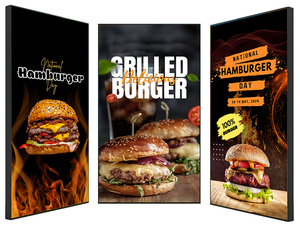


 Digital menu boards give restaurants and takeaways a flexible way to display menus, promotions and changing offers without repeatedly replacing printed signage.
Printed menus work until something changes. A price increases, an item sells out, a new meal deal launches or breakfast needs to become lunch. Suddenly the menu above the counter is out of date.
For busy restaurants, cafés, quick-service restaurants and takeaways, constantly reprinting menu boards can become inconvenient and limits how quickly promotions can change. Digital menu boards replace static printed panels with commercial displays that can show menu designs, product photography, videos, meal deals and scheduled content.
This guide explains how digital menu boards work, what screen sizes to consider, how CMS software fits into the system, what affects cost and how to plan a reliable installation for your restaurant or takeaway.
What This Guide Covers
What Is a Digital Menu Board?
A digital menu board is a commercial display used to present food, drinks, prices, meal deals and promotional content electronically rather than through a permanently printed menu.
The visible screen is only one part of the system. Behind it, digital signage software or a content management system - often called a CMS - controls what appears on the display. Depending on the hardware being used, the content may run through an external media player or through a system built directly into the commercial display.
This means restaurant teams can update menu content digitally rather than physically replacing a printed board. A new menu design can be uploaded, promotional items can be changed and content can be scheduled for different periods of the day.
ScreenMoove provides complete digital menu board solutions for restaurants, cafés and takeaways, including commercial displays, mounting, installation and content options.

What Size Digital Menu Board Do You Need?
There is no single correct screen size for every restaurant. The best choice depends on the width of the serving area, customer viewing distance, ceiling height, amount of menu information and whether the content will be displayed across one screen or several.
Commercial menu displays are available across a wide range of sizes, including models from around 32 inches through to 65 inches and larger. Rather than choosing the biggest screen available, the aim should be to create a menu that customers can read comfortably from the normal ordering position.
Compact screens can suit cafés, kiosks and smaller serving points where customers stand relatively close to the menu.
Mid-sized commercial displays can provide a strong balance between readable menu content and available wall space.
Larger screens or multi-screen menu walls can make information easier to see from further back in the customer queue.
Single Screen or Multiple Screens?
A single landscape display can work well for a short café menu, drinks list or promotional area. Businesses with larger menus often benefit from two, three or more screens positioned side by side.
Multiple screens allow the menu to be divided into logical categories such as mains, sides, drinks and meal deals. They can also give promotions more visual space without making core menu information difficult to read.

Landscape vs Portrait
Landscape orientation is common above counters because it fits naturally into wide serving areas and provides plenty of horizontal space for menu categories. Portrait screens can be useful where wall space is narrow, when individual screens are dedicated to separate product categories, or when restaurants want a taller promotional format.
How Much Do Digital Menu Boards Cost in the UK?
The total cost of a digital menu board project depends on considerably more than the price of the screen itself. A simple single-screen café installation and a multi-screen takeaway menu wall have very different equipment, mounting and installation requirements.
When planning a budget, it is useful to separate the project into the main components below.
Screen size, brightness, operating hours, manufacturer and specification all influence hardware cost.
Wall brackets, ceiling mounts and multi-screen mounting systems should be matched to the installation environment.
Some platforms use ongoing software licensing, depending on the required functionality and number of screens.
Cabling, access, wall construction, power availability and mounting complexity can all affect installation requirements.
Professionally designed menu content may be required if the business does not already have suitable digital artwork.
Ongoing support can help businesses troubleshoot hardware, connectivity or content issues after installation.
For this reason, comparing digital menu boards purely on screen price can be misleading. The more useful question is what is required to deliver a complete, reliable system in your particular restaurant.
ScreenMoove can provide the displays, digital menu board mounting systems, content and professional installation as part of a complete project.

5 Ways Digital Menus Can Help Increase Average Order Value
A digital menu should do more than reproduce a printed price list on a screen. Used well, the format gives restaurants more control over which products receive attention at the point where customers are deciding what to order.
Combination offers can be given dedicated visual space rather than being buried among dozens of individual menu items.
Side dishes, drinks, desserts and upgrades can be rotated into prominent areas of the menu when appropriate.
High-quality product photography can give selected dishes significantly more visual prominence than a text-only printed board.
Promotional content can be replaced when offers change rather than remaining on display because replacing printed signage is inconvenient.
Breakfast, lunch, evening and late-night content can be scheduled so customers see the most relevant products when they visit.

The quality of the menu artwork matters just as much as the screen. ScreenMoove's digital menu design service can help businesses create layouts designed specifically for commercial menu displays.
Dayparting: Automatically Change Menus Throughout the Day
One of the biggest practical advantages of digital menus is the ability to schedule content. This process is often called dayparting.
A café could display its breakfast menu when it opens, automatically switch to its lunchtime selection later in the day and then promote evening offers without a member of staff manually replacing anything above the counter.
Restaurants can also use scheduling for limited-time promotions, weekend menus, seasonal products or specific offers that should only appear during certain trading periods.
This makes the menu more responsive to actual trading conditions and reduces the risk of customers seeing items or promotions that are not currently relevant.

How Digital Menu Board CMS Software Works
A content management system gives authorised users a central place to manage what appears on their digital menu screens.
Instead of connecting a laptop directly to each display whenever something changes, content can be uploaded and distributed through the signage platform. Depending on the system, users may be able to organise screens into groups, schedule playlists and update several restaurant locations from one account.
For a single takeaway, the main benefit may simply be the convenience of updating a menu remotely. For a growing restaurant group, central management becomes much more important because marketing teams can keep brand content consistent across multiple sites without sending new files individually to every location.
The right CMS should reflect the complexity of the business. There is little value in paying for an unnecessarily complicated platform if a restaurant only needs basic menu changes, while a multi-site organisation may quickly outgrow a system with limited scheduling and screen-management capability.

Planning a Digital Menu Board Installation
A successful digital menu board project needs to consider the physical environment as well as the screen specification. Displays positioned above a serving counter must be secure, correctly aligned and installed at a height and angle that keeps content visible from the normal customer viewing position.
Before installation, the site should be assessed for suitable mounting points, available power, cable routes, wall construction, ventilation and access for future maintenance.
Screens need to remain readable without forcing customers to look at an uncomfortable angle.
Multi-screen installations should appear level and consistent across the full menu wall.
Power and data routes should be planned so the completed installation remains clean and professional.
The bracket or mounting system must be suitable for the display weight and installation surface.

ScreenMoove provides professional digital signage installation services for restaurants and commercial environments across the UK.
DIY vs Managed Digital Menu Boards
Businesses also need to decide how much of the day-to-day menu management they want to handle internally.
DIY Management
A DIY setup gives the restaurant direct control over its CMS and content.
This can work particularly well for businesses with in-house marketing or design capability and employees who are comfortable managing digital content.
Managed Service
A managed approach reduces the amount of technical administration required internally.
It can suit organisations that want assistance with setup, menu artwork, deployment or ongoing changes rather than managing every part of the signage system themselves.

What Happens if the Internet Goes Down?
Internet reliability is an important consideration when planning restaurant digital signage, but losing connectivity should not automatically mean losing the menu.
The exact behaviour depends on the chosen hardware and CMS. Many digital signage systems are designed so downloaded content can continue playing locally even when the connection to the management platform is temporarily unavailable.
Businesses should confirm how their selected platform handles outages before installation, particularly where the digital menu is the primary method customers use to view products and prices.

Are Digital Menu Boards Right for Your Restaurant?
Digital menu boards are particularly useful for businesses where prices, promotions or menus change regularly. They can also help restaurants create a more contemporary customer environment and give marketing content significantly more flexibility than fixed printed signage.
The strongest projects begin by working backwards from how the restaurant actually operates. Consider how many items need to appear, how far customers stand from the screens, how frequently content changes, who will manage the CMS and whether the displays need to be controlled across more than one site.
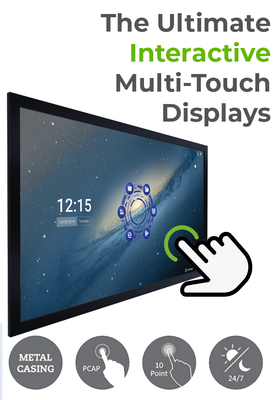
Restaurants planning a wider technology upgrade can also explore ScreenMoove's hospitality digital signage solutions and interactive touchscreen solutions for point of sale.

Digital Menu Board FAQs
From a single café screen to a complete multi-screen takeaway menu wall, ScreenMoove can supply commercial displays, mounting, menu design, CMS options and professional installation.


