
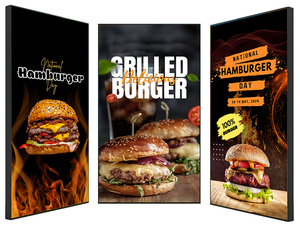


This article is designed as an informational market guide, not a shopping page. If you are ready to compare products, you can shop digital signage displays. If you need a UK partner for advice, supply and project support, visit ScreenMoove, a UK digital signage company.

UK Digital Signage Market Overview
The UK digital signage market has moved beyond simple promotional screens. Businesses now use digital signage as part of a wider communication system, helping them update content quickly, manage messaging across locations and create more engaging physical environments.
This shift is being driven by several factors: the decline of static printed posters, the growth of retail media, more affordable commercial display technology, improved content management software and the need for faster communication inside customer-facing spaces.
For this reason, digital signage should no longer be seen as just a screen on a wall. It is a flexible business communication tool that can support advertising, staff updates, customer service, wayfinding, queue management, product education and brand experience.
Why Digital Signage Is Growing in the UK
Digital signage is growing because it solves several practical problems for modern businesses. Printed marketing can be slow to update. Staff notices can be missed. Window posters can look dated. Static signs cannot react to changing campaigns, stock, events or customer needs.
Digital signage gives businesses more control. Content can be updated remotely, scheduled by time of day, changed by location and adapted for different audiences. This makes it especially useful for businesses with multiple branches, high footfall or fast-moving promotional messages.
| Market Driver | Why It Matters | Common Business Use |
|---|---|---|
| Retail media growth | Stores are becoming advertising environments, with screens used to promote products, campaigns and partner brands. | Window advertising, in-store promotions, product launches |
| Remote content control | Businesses want to update messaging across locations without manually changing every screen. | Multi-site signage networks, seasonal campaigns |
| Customer experience | Screens help businesses make spaces clearer, more modern and easier to navigate. | Wayfinding, welcome screens, service updates |
| Workplace communication | Offices need better ways to communicate updates, meetings, performance data and visitor information. | Reception displays, internal comms, meeting room screens |
| Education and healthcare adoption | Schools, universities and healthcare providers use screens for real-time information and improved visitor communication. | Campus signage, patient information, waiting room screens |
Digital Signage Adoption by Industry
One of the clearest trends in the UK market is the move towards industry-specific digital signage. A screen used in a retail window has different requirements from a screen used in a school, gym, hotel or dental practice.
Retail
Retailers use digital signage for promotions, window displays, product launches, in-store advertising and customer journey improvements.
Read about retail digital signageHospitality
Hotels, restaurants and venues use screens for menus, guest information, event messaging, wayfinding and premium brand communication.
Read about hospitality digital signageEducation
Schools and universities use display technology for teaching, campus updates, event information and wayfinding.
Explore education display solutionsHealthcare
Healthcare providers use screens for patient information, waiting room updates, wayfinding and appointment communication.
Explore healthcare display solutionsGyms & Fitness Studios
Gyms use screens for class timetables, member notices, promotions, motivational content and branded fitness experiences.
Explore gym display solutionsLooking for commercial digital signage products?
This guide explains the UK market and adoption trends. To compare screen sizes, brands and commercial display options, visit the ScreenMoove digital signage display collection.
Key Trends Shaping the UK Digital Signage Market
Several developments continue to shape how businesses deploy and manage digital signage systems. These trends influence how organisations communicate with customers, employees and visitors across a wide range of environments.
Businesses are starting to use AI tools to create, resize and adapt screen content more efficiently across different locations and campaigns.
More retailers are using in-store screens as advertising inventory, creating new revenue opportunities from their physical locations.
Shop windows and outward-facing displays are becoming more important as businesses compete for attention on busy high streets.
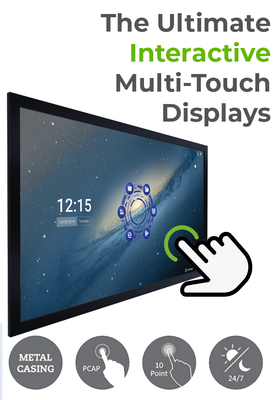
Touchscreens are growing in education, meeting rooms, retail, self-service and customer information environments.
Cloud software allows businesses to update and schedule screen content remotely, which is especially useful for multi-site companies.
Commercial buyers are paying closer attention to operating hours, energy usage, warranty cover and long-term reliability.
High Brightness Displays and Window Advertising
High brightness digital signage is becoming more important in retail and customer-facing environments. Standard screens can look dull in bright spaces, especially near windows or under strong lighting.
This is why many businesses are now exploring high brightness displays for shop windows, shopping centres, estate agents, restaurants and public-facing commercial spaces.
Video Walls and Large-Format Visual Impact
Video walls remain popular where businesses need a larger visual canvas than a single display can provide. They are often used in flagship retail stores, control rooms, reception areas, events, showrooms and corporate spaces.
For businesses planning a larger installation, the key considerations are bezel size, mounting, content layout, brightness, viewing distance and long-term reliability. You can learn more in our guide to configuring an LCD video wall display.
Digital Signage Software and Content Management
As adoption grows, software becomes more important. Businesses need to manage what appears on screens, when it appears and where it appears. This is especially important for multi-location companies, seasonal campaigns and businesses with changing daily messages.
Digital signage software helps teams schedule content, update displays remotely and maintain consistent messaging across different screens.

Commercial Display Brands Supporting the UK Market
Digital signage adoption is supported by a strong commercial display market. Brands such as Samsung, LG, iiyama and Hisense all offer screens designed for professional use, with different options depending on size, brightness, operating hours and budget.
Samsung Digital Signage
Samsung commercial displays are widely used across retail, hospitality, education, corporate and public-facing environments.
LG Digital Signage
LG offers commercial displays, high brightness screens, outdoor displays, interactive screens and professional signage solutions.
iiyama Digital Signage
iiyama commercial displays are strong options for businesses looking for reliable, professional signage screens and large-format displays.
Hisense Digital Signage
Hisense offers commercial displays for retail, education, hospitality and corporate environments, with strong value across key screen sizes.
For a deeper guide to iiyama displays, read our iiyama digital signage displays guide.
Future of Digital Signage in the UK
The future of digital signage in the UK will be more strategic and more integrated. Screens will not just show content. They will support customer experience, staff communication, retail media, data visibility, wayfinding and brand engagement.
The businesses that benefit most will be those that think beyond hardware. The strongest results come from matching the right screen to the right location, using good content management software and building a clear content strategy around what each audience needs to see.
How ScreenMoove Supports UK Businesses
ScreenMoove helps businesses understand, choose and implement commercial display technology. We support digital signage projects across retail, hospitality, education, healthcare, gyms and other UK business environments.
If you are researching the market, this article gives you the overview. If you are ready to compare products, you can shop digital signage displays. If you need advice from a UK digital signage company, call 020 8191 9223.
Frequently Asked Questions
What is the UK digital signage market?
The UK digital signage market includes the commercial displays, software, media players, installation services and content systems used by businesses to communicate through screens.
Why is digital signage growing in the UK?
Digital signage is growing because businesses need faster, more flexible ways to update messages, promote products, communicate with customers and manage content across physical locations.
Which industries use digital signage?
Digital signage is widely used in retail, hospitality, education, healthcare, gyms, offices, transport, restaurants, car dealerships and public spaces.
Is this article a product buying guide?
No. This article focuses on market trends, growth and business adoption. To compare products, visit the ScreenMoove digital signage display collection.
What is the difference between digital signage and a digital signage display?
Digital signage refers to the wider communication system, including screens, software, content and management. A digital signage display is the physical commercial screen used to show that content.
What trends are shaping the digital signage industry?
Important trends include AI-assisted content creation, retail media networks, cloud-based content management, interactive displays, high brightness window screens and more specialised digital signage solutions for different industries.
What type of businesses benefit most from digital signage?
Businesses with changing messages, customer footfall, multiple locations or visual communication needs tend to benefit most. This includes retailers, hotels, gyms, offices, schools and healthcare providers.
Where can I buy digital signage displays in the UK?
You can buy commercial digital signage displays from ScreenMoove, including Samsung, LG, iiyama, Hisense, high brightness displays and video wall options.
Explore digital signage with ScreenMoove
Learn about the market here, then move into the right buying journey when you are ready to compare screens, brands and display options.


