


Content Scheduling
Screen Fatigue Is Real: How Content Refresh Rates Affect Customer Engagement
Published September 29, 2026
Digital Signage Content Strategy
Screen Fatigue Is Real: How Content Refresh Rates Affect Customer Engagement
Your screen can be bright, perfectly positioned and technically flawless, yet still become almost invisible when the same audience sees the same content again and again.
Content Refresh Screen Engagement Content Scheduling

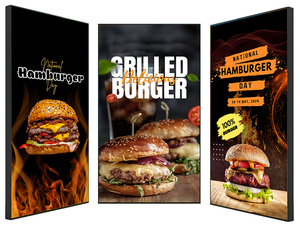
Fresh content gives existing display hardware a new reason to be noticed.
Picture a screen in a shop, gym or reception. It is switched on. The content is playing. The image is bright. Yet everyone walks straight past it.
The hardware may be working exactly as intended. The problem is that regular viewers have already seen the same offer, photograph or playlist so many times that the screen has become part of the environment.
That is the practical problem behind screen fatigue. Installing a digital display creates novelty at first, but novelty does not last. Eventually the content itself has to earn attention.
This guide explains what causes digital signage fatigue, how often different environments should consider refreshing content, and how templates and scheduling can keep screens useful without requiring a design team every week. If your current creative needs a stronger foundation, ScreenMoove also provides professionally designed digital signage content.
When Novelty Disappears
Why Screens Stop Working Even When They Are Switched On

When a digital screen first appears in a familiar environment, it has an immediate advantage: it is new. Employees notice it. Customers look at it. Regular visitors check what has changed.
Over time, that novelty disappears. If the same slides continue playing in the same sequence, the audience learns that looking again provides little new information. The display may still dominate the wall physically, but it becomes easier to ignore mentally.
The commercial consequences are straightforward. Promotions can go unseen, menu upsells lose impact, internal messages are missed and an expensive screen starts contributing less than it could.
Importantly, this does not automatically mean the screen needs replacing. A display with the correct brightness, size and positioning can still be the right hardware. Often, the failing component is simply the content loop.
If you are starting from scratch, our broader guide to building a digital signage content strategy covers objectives, audience, screen location and content mix before refresh cadence becomes the priority.
The Attention Problem
What Is Screen Fatigue in Digital Signage?
Screen fatigue is the drop in attention that happens when viewers see the same screen content repeatedly. The audience learns that the loop is predictable and stops prioritising it, so the display remains switched on but can increasingly go unnoticed.

A useful concept here is habituation. In simple terms, repeated stimuli become less worthy of attention when they stop providing anything new. Your audience does not consciously decide to boycott the screen. It simply becomes easier for the brain to filter it out.
There is an interesting parallel online. Nielsen Norman Group's eye-tracking work on banner blindness found that people can learn to ignore areas or visual treatments they associate with advertising, demonstrating how selective attention can filter familiar stimuli. Physical digital signage is a different environment, but the broader lesson is useful: being visually present does not guarantee attention.
Content Refresh Rate vs Display Refresh Rate
These are two different things. Display refresh rate, measured in Hz, describes how frequently the panel redraws the image and affects motion performance. Content refresh rate describes how often the actual message, offer, creative or playlist changes. This guide is about the second.
Repetition Is Not the Only Problem
Dense layouts, excessive text, weak contrast and unclear hierarchy can accelerate the problem. If checking a screen repeatedly feels like work, viewers quickly learn that it is easier not to check it at all.
The Repeat Viewer Rule
Match Content Refresh Rate to How Often Your Audience Returns

The Rule
Refresh content before a regular viewer has seen the same loop often enough for it to become predictable. The more frequently the same person sees the screen, the faster your content should rotate.
1. Visit Frequency
Ask how often the same people return. A gym member may see the same screen several times each week. An employee may walk through a reception every morning and evening. A tourist could see a retail screen only once. Those audiences should not automatically receive the same refresh schedule.
2. Dwell Time
Next, consider how long people remain within useful viewing distance. Someone passing a shop window may have only seconds. A customer queuing for food has longer. Someone in a healthcare waiting room may remain near the screen for an extended period.
3. Loop Length
Compare the playlist length with dwell time. If someone remains in front of a display longer than the entire playlist, they may see the same sequence twice in one visit. Waiting environments therefore benefit from deeper, more varied playlists. Walk-past locations need shorter content that communicates quickly, but campaigns still need to change over time.
Consider a gym member visiting several times a week against a shopper passing a high-street window once every couple of weeks. Even if both screens belong to the same business, the gym environment creates far more repeat exposure. That location needs fresh material sooner.
Practical Cadence Guide
How Often Should Digital Signage Content Be Updated?
As a practical starting point, many businesses can refresh core screen content every two to four weeks, rotate promotions weekly in high-repeat environments, and use dayparting to introduce daily variety. The right cadence ultimately depends on how often the same people see the screen and how long they stay near it.
The timings below are recommended starting points, not fixed research benchmarks. Adjust them according to your audience, campaign activity and actual response.
| Environment | Viewer Pattern | Suggested Starting Cadence | Quick Win |
|---|---|---|---|
| Retail Shop Window | Mixed passers-by, some regulars | Campaign every 2-4 weeks | Short loop, one message per slide |
| In-Store Retail | Repeat shoppers, short dwell | Promotions weekly, layouts monthly | Match stock and local campaigns |
| Gym & Fitness | Same members several times a week | Weekly minimum, daily elements | Rotate classes and member content |
| QSR & Cafés | Regulars with queue dwell | Daypart daily | Breakfast, lunch and evening content |
| Corporate Reception | Staff daily, visitors occasionally | Weekly internal, monthly brand | Mix in useful live information |
| Healthcare Waiting Area | Long dwell, irregular visits | Monthly core content | Use a longer, varied playlist |
| Education | Same students daily | Weekly minimum | Events, achievements and updates |
For retailers, retail digital signage works hardest when campaigns follow the real trading calendar rather than remaining unchanged for months. Shop-window campaigns also need suitable high brightness displays so fresh content remains visible in demanding daylight conditions.
High-repeat environments require particular attention. Gym display screens may be seen repeatedly by the same members each week, while digital menu boards can use dayparting to change breakfast, lunch and evening content automatically.


Want a Refresh Plan for Your Screens?
ScreenMoove can help develop reusable content, campaign templates and a practical schedule around the audiences who actually see your displays.
Get a Content Design QuoteSpot the Problem
Five Signs Your Screens Have Gone Invisible
1. Staff can recite the loop.
If your team knows exactly which slide comes next, regular visitors may have reached the same level of familiarity.
2. Expired offers are still showing.
Out-of-date promotions are a clear sign that nobody owns the content schedule and can quickly undermine confidence in what the screen says.
3. Response has flattened.
If QR scans, advertised offer redemptions or campaign enquiries fall, stale creative is one factor worth testing.
4. The content was built for installation day.
Launch content often explains the initial use of a display. It is rarely enough to carry the screen six months later.
5. Nobody owns the schedule.
If content updates are everyone's responsibility, they can quickly become nobody's responsibility. Give the screen estate a named owner.
Work Smarter
How to Refresh Digital Signage Without Redesigning Everything

Refreshing content does not mean commissioning a completely new campaign every Monday. A good system separates the design framework from the information inside it.
Template Once, Update Often
Build approved templates for promotions, notices, menus, events and announcements. Your team can then swap photographs, prices and headlines while the core brand treatment remains controlled.
Create Modular Playlists
Keep a useful evergreen core but rotate promotional slots around it. A brand message may remain relevant for months while a featured product, event or seasonal campaign changes weekly.
Use Dayparting
A person entering at 8am does not have to see exactly what they saw at 6pm. Scheduling different content by time of day creates variation without requiring additional manual publishing.
Let Data Do Some of the Work
Time, weather, events, dashboards and other live sources can introduce useful variation automatically where they genuinely serve the audience.
Refresh the Visual System Too
Changing an offer inside exactly the same visual frame every week can still become predictable. Periodically update colour treatment, layout, typography scale or motion style so that the screen itself feels renewed.
If you do not have design resources in-house, a digital menu design service can create reusable layouts that make everyday updates much easier.
Content Operations
The Technology That Makes Frequent Content Refresh Easy

A refresh plan only works when publishing is easy enough to happen consistently. If changing one promotion means travelling to each screen with a USB stick, updates will naturally be delayed.
Cloud-based digital signage software can centralise layouts, playlists and schedules so content is published remotely. Screen groups can let a multi-site business push national campaigns centrally while keeping local variations where needed.
For larger networks, our guide on how to manage signage content remotely looks more closely at central control, approvals and ongoing management.
Digital Signage Content Refresh FAQs
How often should digital signage content be changed?
As a starting point, refresh core content every two to four weeks, change promotions weekly in high-repeat environments and use dayparting to create daily variation where appropriate.
What is screen fatigue?
Screen fatigue is the drop in attention that occurs when viewers repeatedly see the same content and begin treating the display as part of the background.
How long should a digital signage loop be?
Match the loop to dwell time. Waiting and queue environments benefit from longer varied playlists, while windows and walk-past locations need shorter, faster messages.
Is content refresh rate the same as display refresh rate?
No. Display refresh rate in Hz describes how often the panel redraws an image. Content refresh rate describes how often the message, creative or playlist itself changes.
Can I refresh digital signage without a designer?
Yes. Branded templates combined with a CMS can allow authorised staff to update images, prices, offers and schedules while keeping the overall design consistent.
Keep Every Screen Worth Looking At
Screens do not necessarily stop working. Their loops do. Match your refresh cadence to how often the audience returns, then use design templates and scheduling tools to keep every screen useful and relevant.
Planning new screens as well? ScreenMoove's installation services cover commercial display mounting, setup and digital signage configuration.
Content That Stays Fresh
Need Better Screen Content?
ScreenMoove can help with signage content design, reusable templates, scheduling and CMS deployment.
Discuss Your ScreensJump to a Section
The Repeat Viewer Rule
Ask 1:
How often do they return?
How often do they return?
Ask 2:
How long do they stay?
How long do they stay?
Ask 3:
How long is the playlist?
How long is the playlist?
Then:
Set the refresh schedule around repeat exposure.
Set the refresh schedule around repeat exposure.
Quick Starting Point
Core content: 2-4 weeks
High-repeat promotions: Weekly
Daily variation: Dayparting


