


Blog post
Commercial Signage CMS Review for UK Buyers
A screen network rarely fails because the display is too bright or the player lacks processing power. More often, it fails when changing a price, menu item or urgent message takes too long. This commercial signage cms review focuses on the software decisions that determine whether digital signage remains useful after installation day.
For a single reception display, almost any platform may appear sufficient. For a restaurant group updating menus, a retailer running window campaigns across branches, or a school sharing daily notices, the CMS becomes the operating system for customer communication. It must be simple enough for authorised staff to use, while giving IT and operations teams the control they need.
What a commercial signage CMS should do
A commercial signage content management system lets users create, schedule and publish content to one or many screens. That description is accurate, but it does not reveal the difference between a basic platform and one suited to business-critical use.
A capable CMS should allow teams to assign content by location, screen group, orientation and time. A landscape display in a meeting room may need a different playlist from a portrait screen in a shop entrance, even if both are at the same site. The system should make this distinction clear rather than relying on vague screen names or manual workarounds.
Scheduling is equally central. Businesses need dayparting for breakfast, lunch and evening menus, promotional campaigns that end automatically, and priority messages that can override standard content. If a promotion is no longer valid, staff should be able to remove it quickly from every relevant screen without visiting each site.
The better systems also provide proof of playback, player status and alerts when a device is offline. These functions are not glamorous, but they reduce the risk of a blank screen, outdated creative or an unplanned interruption continuing unnoticed for days.
Commercial signage CMS review: the criteria that matter
The right platform depends on the number of screens, how frequently content changes and who will manage it. A procurement team should look beyond a feature checklist and assess how the software performs in everyday operations.
Content creation and brand control
Some CMS platforms include templates for menus, promotions, announcements and wayfinding. Templates can speed up deployment, particularly for organisations without an in-house design team. They should still allow brand colours, fonts, logo positioning and image rules to be controlled properly.
For larger organisations, the best approach is often a set of locked templates. Local managers can update approved fields, such as prices, product availability or branch-specific messages, while central marketing retains control of the layout. This protects the brand and avoids poorly formatted content appearing in public-facing locations.
Check the media formats supported, including images, video, web pages, PDFs and data-driven content. Video is useful for impact, but it should be planned sensibly. Large, high-bitrate files can cause slow uploads and place unnecessary demands on connectivity or player hardware. For menu boards and information screens, clear static graphics combined with short motion content are often more practical.
Scheduling and multi-site control
Scheduling should be visual, straightforward and flexible. Look for calendar views, recurring schedules and the ability to schedule by screen group. A chain with 30 locations should not need to select every display individually to launch a national campaign.
Permissions deserve close attention. A head office team may require full publishing rights, while site managers need authority only over their local screens. Education settings may need different permissions for reception, catering and departmental communications. Role-based access reduces errors and provides a clearer audit trail of who changed what.
A CMS should also support different operating hours. A 24-hour gym, a weekday office and a hospitality venue with late-night service do not run the same schedule. The platform should let content start and stop based on the local requirements of each screen group.
Hardware compatibility and player management
Software cannot be reviewed in isolation from the displays and players that run it. Confirm whether the CMS is compatible with the commercial screens, external media players or system-on-chip displays being considered. Some platforms are tied to a particular manufacturer or operating system; others work across several hardware options.
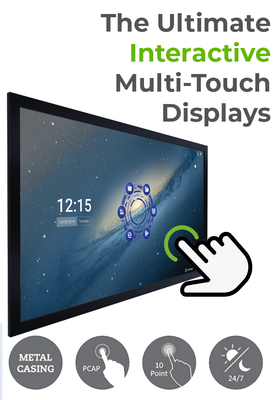
Neither model is automatically better. A manufacturer-specific platform can simplify support where the display estate is standardised. An independent CMS can offer more flexibility for mixed sites, future hardware changes and specialist screen types such as double-sided hanging displays, touchscreen kiosks or high-brightness window screens.
Ask how the CMS handles player provisioning. Ideally, a device can be assigned to an account quickly, named consistently and allocated to the right site before installation. Remote reboot, software updates and screen status reporting can save a considerable amount of support time, particularly across dispersed UK locations.
Reliability when connectivity drops
Digital signage relies on a network, but a screen should not become useless during a short broadband outage. Most professional systems download scheduled content to local storage on the player, allowing it to continue playing offline. This is a key requirement for menu boards, transport messaging, healthcare communications and any display where stale or blank content creates a poor visitor experience.
Clarify what happens when the connection returns. The CMS should synchronise changes automatically and report the period of lost connectivity. It is also worth checking the storage capacity of the chosen player, especially where playlists include multiple videos.
Data integrations and live information
Live data can make signage more relevant. Common examples include meeting room availability, queue information, weather, social feeds, stock messages, dashboards and menu pricing. However, an integration only adds value if the data source is reliable and the display layout remains readable from the intended viewing distance.
For digital menu boards, integration with an EPOS system may reduce duplication, but it also introduces dependencies. Establish who owns the data, how quickly changes are reflected on screen, and what content displays if the feed fails. A sensible fallback playlist protects the customer experience.
For corporate environments, calendar and room-booking integrations can improve workplace communication. For retail, product or campaign feeds may be more relevant. The question is not whether a CMS has the longest list of integrations, but whether it supports the information your teams genuinely need to publish.
Security, support and cost should be assessed together
A public-facing screen is part of the business network, not just a display. Review account security, user permissions, password controls and whether multi-factor authentication is available. Ask how software updates are managed and whether the supplier has a clear process for responding to security issues.
Support arrangements matter most when something goes wrong outside normal office hours or immediately before a campaign launch. Establish whether support covers the CMS only, or also the player, display and installation. A fragmented solution can leave the customer coordinating several suppliers to diagnose a simple problem.
Commercial pricing models vary. Some CMS platforms charge per screen each month or year; others use a perpetual licence, a bundled player licence or tiered feature packages. A lower entry price may become expensive as the network grows, while an enterprise platform can be excessive for a small number of screens with simple playlists.
Calculate the total cost over the expected life of the system. Include player hardware, licences, installation, training, template design, content production and ongoing support. For multi-site rollouts, standardising on a manageable software and hardware combination can reduce costs over time, even if the initial purchase is not the lowest quote.
Choosing a CMS by application
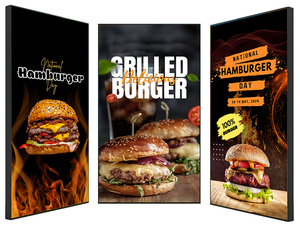
Restaurants and takeaway businesses normally prioritise rapid menu scheduling, clear price updates, portrait or landscape layout options and dependable offline playback. Retailers often need campaign control by branch, timed promotions and high-brightness display compatibility for window-facing screens.
Schools, colleges and public sector organisations benefit from permission levels, easy announcement templates and the ability to separate content by building or department. Corporate teams may place more emphasis on meeting room information, internal communications and integration with existing workplace systems.
For any of these settings, ask for a demonstration using a realistic scenario. Publish a time-limited campaign, change a local message, take a player offline, then review the reporting. This exposes whether the platform is practical for the people expected to manage it, rather than simply impressive in a sales presentation.
Screen Moove can help businesses align commercial displays, signage players and CMS software with the operational demands of their site or wider network. The most suitable option is usually the one that makes routine updates controlled, visible and quick, while leaving room for the display estate to grow.
A CMS should make every screen easier to manage than a printed poster, not turn daily communication into an IT ticket. Start with the messages your teams need to change next week, then choose the platform that handles them reliably at every location.


