


Blog post
LG Digital Signage Review for UK Business Buyers
A reception screen that freezes, a menu board that looks washed out at lunchtime, or a window display that cannot be read from the pavement quickly becomes a business problem rather than an AV problem. This LG digital signage review looks at what LG commercial displays do well, where specification choices matter, and whether they are the right fit for UK organisations building dependable display networks.
LG is one of the best-known names in commercial displays, with ranges covering standard indoor signage, high-brightness shop window screens, video walls, interactive touch displays and commercial hospitality TVs. The breadth of the portfolio is a clear advantage for businesses that need to standardise screen technology across several sites. It also means buyers must look beyond screen size and headline price.
LG Digital Signage Review: The Commercial Strengths
The central strength of LG digital signage is that it is designed for business operation rather than occasional home viewing. Commercial panels are built around longer daily operating hours, portrait or landscape use, remote management requirements and more demanding installation environments. That distinction matters when a display is expected to run promotions, menus, travel information or internal communications day after day.
Picture quality is consistently a strong point. LG commercial screens generally deliver crisp 4K content, effective upscaling for lower-resolution assets and good colour reproduction. For corporate communications, retail campaigns and food imagery, this creates a polished result without excessive adjustment. The result is not simply a sharper screen. Clear, properly scaled content is easier to read at a distance and gives branded messaging more authority.
LG's webOS platform is another major consideration. Many LG signage displays include an integrated system-on-chip player, allowing content to run directly on the screen without a separate media player. For a straightforward network of menu boards, promotional screens or staff information displays, this can reduce hardware at each location, simplify cabling and lower points of failure.
However, webOS should be assessed alongside the content management system you intend to use. Not every CMS supports every display feature in the same way, and requirements such as proof-of-play reporting, emergency messaging, data feeds, booking integrations or complex layouts can affect the best choice. Checking compatibility before purchase is far more efficient than changing software or adding players after installation.
A broad range for different environments
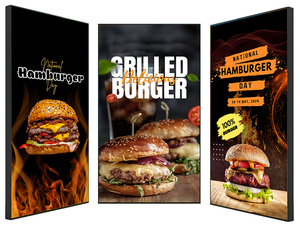
LG's range is particularly useful where one organisation has several screen types to specify. A retailer might require standard displays behind the counter, a high-brightness screen facing the street and a video wall at a flagship location. A college may combine information screens in circulation areas with touchscreens in teaching spaces and commercial displays in reception.
Using one manufacturer across those deployments can make mounting, management, spares and staff training easier to organise. It can also help multi-site operators maintain a more consistent visual standard. That said, standardisation should not mean putting the same panel everywhere. Brightness, operating hours, orientation and viewing distance still need to be specified for each zone.
Brightness Is the Deciding Specification
Many digital signage projects fail at the brightness stage. A display can look excellent in a meeting room and underperform completely in a café frontage with daylight across the glass. LG offers different brightness classes, and choosing the correct one is more valuable than paying for features a site will not use.
For controlled indoor areas, a standard commercial display is often sufficient. Reception areas, office corridors, classrooms and internal restaurant menu boards typically benefit from this approach. It offers a professional presentation at a sensible project cost, provided the screen is not placed opposite large windows or exposed to direct lighting.
For retail windows, airport-style concourses, glazed entrances and bright hospitality spaces, a high-brightness display should be considered. These models are designed to retain visibility in stronger ambient light, helping offers and brand messages remain legible throughout the day. The trade-off is higher purchase cost and increased power use, so a high-brightness unit should be justified by the location rather than selected as a default.
Brightness alone is not the full answer. Positioning, anti-glare treatment, content contrast and the time of day all affect readability. A screen facing south behind glass may need a different solution from one facing an internal shopping centre walkway. A site survey is worthwhile for any customer-facing installation where visibility drives revenue.
Operating Hours and Panel Orientation Need Checking
Commercial LG displays are available with different duty ratings, commonly suited to extended daily use or continuous operation. This must match the actual schedule. A school information screen may only run during term-time daytime hours, while a hotel lobby, transport setting or convenience retailer may need 24-hour operation.
Selecting a lower duty-rated display for a continuous environment can create unnecessary downtime and shorten the useful service life of the deployment. Conversely, specifying a 24/7 panel for a lightly used staff area may not represent the best value. The right choice depends on the operational requirement, not the ambition of the project.
Orientation is equally important. Portrait signage is popular for promotions, wayfinding and digital posters, while landscape is common for menus, dashboards and corporate messaging. Confirm that the model is designed for the intended orientation and that ventilation clearances remain correct after installation. Heat management is a practical issue, particularly within recessed joinery, ceiling mounts and enclosed shopfitting.
Where LG is a strong fit
LG is often a strong option for organisations that want established commercial hardware, an integrated player and a choice of screen formats without moving between multiple manufacturers. It suits retail groups, restaurant chains, offices, education settings, healthcare waiting areas and hospitality venues where reliability and centralised content updates matter.
For digital menu boards, LG displays offer the resolution and panel consistency needed to present prices, product photography and allergen information clearly. For corporate environments, their slim commercial formats work well for internal communications, reception messaging and meeting room displays. In retail, high-brightness options can support window-facing campaigns where a domestic television would struggle.
Video wall projects are another area where LG's commercial experience is relevant. Narrow-bezel displays can create large-format visual impact for control rooms, showrooms, public information points and premium retail environments. These installations require careful planning around bezel width, wall structure, calibration, access for maintenance and signal distribution. The display panel is only one part of the finished system.
Potential Limitations to Consider
No manufacturer is automatically the right answer for every project. LG's wide range can make model selection less straightforward, particularly where similarly sized displays have different brightness, duty-cycle and integrated software capabilities. Procurement teams should compare the full specification rather than assume two 55-inch commercial screens will perform identically.
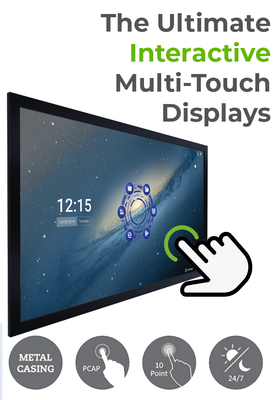
An integrated webOS player is efficient for many projects, but an external player may still be preferable for advanced applications. Complex interactive content, specialist software, multi-zone data visualisation or a CMS designed around Windows or Android can require separate hardware. That is not a weakness in the display - it is a question of matching the playback architecture to the content plan.
Budget is another factor. LG commercial displays are priced for professional use, so they will usually cost more than consumer TVs of the same size. The higher initial outlay reflects commercial construction, warranty arrangements, operational ratings and signage features. For a screen used occasionally in a low-risk internal setting, a lower-cost approach may be acceptable. For public-facing screens, replacing failed consumer equipment is rarely the cheaper route over time.
How to Specify an LG Signage Project Properly
Start with the viewing environment, not the screen diagonal. Measure where viewers will stand, identify daylight exposure, decide whether the display is customer-facing or internal, and define the hours it must operate. Then consider whether portrait orientation, touch capability, window mounting, ceiling suspension or a video wall configuration is required.
Next, establish how content will be created and managed. A single reception screen can run a simple scheduled playlist, whereas a national restaurant estate may need central approval, local pricing updates, daypart scheduling and device health monitoring. The content workflow should determine the CMS and player strategy.
Finally, plan installation as part of the product decision. Correct commercial mounts, cable routing, network access, power provision and ongoing service access all influence reliability. For projects involving multiple locations or specialist environments, working with a commercial AV supplier such as Screen Moove can help align display choice, software, installation and technical support from the outset.
LG digital signage is a credible, flexible choice when it is specified for the environment rather than bought purely on brand recognition. Match brightness to light levels, operating rating to real usage, and webOS capability to the way your team will manage content. That approach gives each screen a better chance of remaining useful long after the launch campaign has ended.


